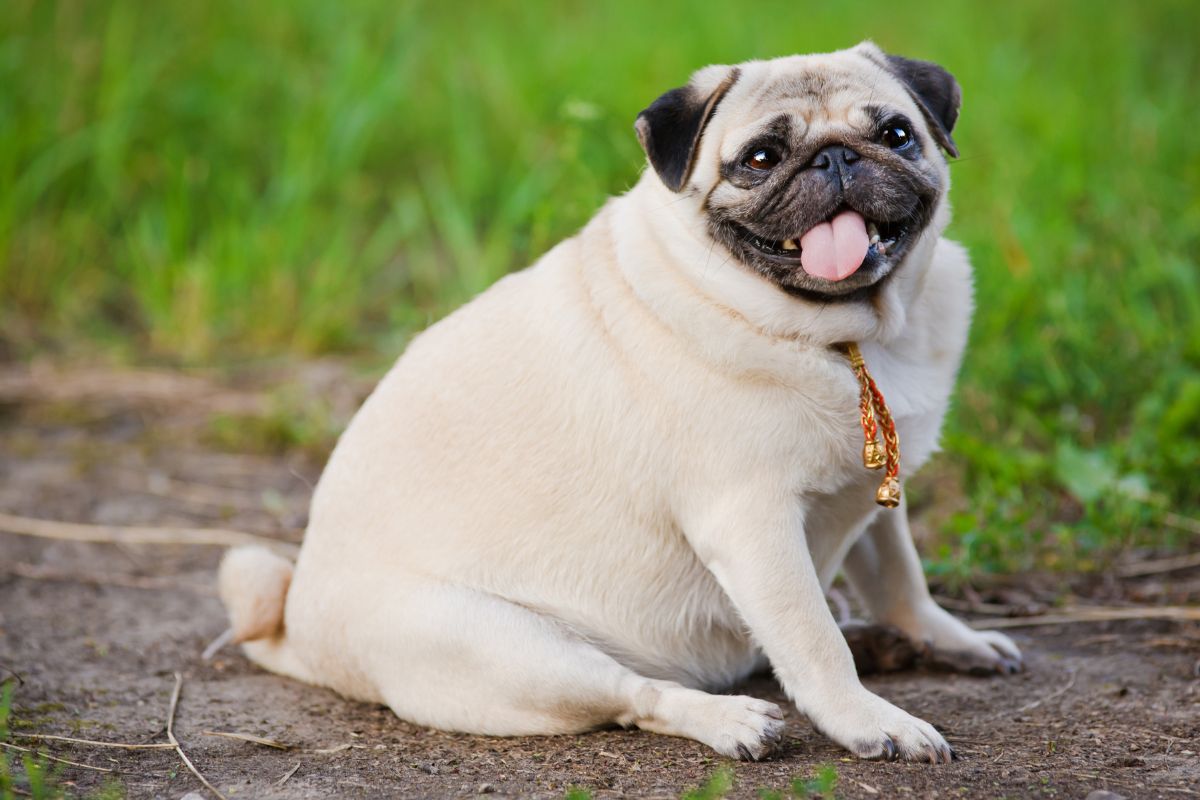
We adore our animals. We throw them birthday parties, narrate their daily activities like a nature documentary, and justify every extra treat as an expression of love.
But the problem is that most of our furry friends have never once turned down a snack in their lives!
Pet obesity is one of the most common issues affecting dogs and cats today, and its impact goes beyond appearance, touching everything from mobility and mood to how many years you get to spend together. Even in active communities like New Hampshire where outdoor adventures are part of daily life, unhealthy pet weight is something we see a lot!
But don’t worry, with a few changes most pets can work their way back to a healthy weight and thrive right by your side for years to come.
Even a Small Amount of Extra Weight Carries Big Consequences
It’s easy to ignore a pound or two, but on a smaller animal, those pounds make a big difference.
Think about it this way: two extra pounds on a cat is roughly equivalent to a person carrying 20 to 30 additional pounds. That added burden on a small frame raises the risk of:
- Joint pain and arthritis
- Diabetes
- Heart disease
- Breathing difficulties
- Reduced energy
- A shorter lifespan
Extra weight doesn’t just change how your pal looks, it changes how they feel, how they move, and how much they can enjoy the life they’re living.
Weight Gain Rarely Has Just One Cause
Pet obesity isn’t usually caused by just one thing. More often, it’s a combination of habits, biology, age, and those absolutely devastating “but I’m starving” eyes.
Treats Add Up Faster Than You Think
Treats are wonderful tools for training, bonding, and rewarding good behavior. But they add up fast, especially when every person in the household is sneaking a few extras throughout the day. A good rule of thumb: treats should account for no more than 10 percent of your pet’s daily caloric intake.
Slightly Oversized Portions Have a Compounding Effect
Estimating portion sizes by eye is surprisingly easy to get wrong. A little extra food scooped into the bowl each meal can lead to steady weight gain over months and years. A simple measuring cup can make a meaningful difference.
Most Pets Don’t Get Enough Movement
A lot of our four-legged companions have mastered the art of doing absolutely nothing (yes, they can be downright lazy). But a brief walk here and there often isn’t enough, particularly for high-energy breeds. Cats, meanwhile, are famously content to nap their way through entire decades. Read on for more of our favorite ways to keep them active!
Breed, Age, and Metabolism Are Real Factors
Some dogs are practically hardwired to seek out food (Labrador Retrievers, Beagles, and Dachshunds are notorious examples). Many cats are simply more low-key by nature. Just like us as pets age, their metabolisms slow and their energy levels drop..
Sometimes It’s a Medical Issue
Weight gain isn’t always lifestyle-related. Conditions like hypothyroidism in dogs or hormonal imbalances can interfere with a pet’s ability to maintain a healthy weight. Certain medications may also be a contributing factor. Your vet can help you figure out if there’s something more going on than too many treats.
How to Tell Fluff From Fat
This part can be genuinely tricky especially with a pet who looks like a sentient cloud. Fortunately, there are a few hands-on ways to check.
- You should be able to feel your pet’s ribs without needing to press firmly.
- There should be a noticeable waist when you look at your pet from above.
- Viewed from the side, the belly should tuck up slightly behind the rib cage.
If your pet’s silhouette has taken on more of a “loaf of bread” quality than a recognizable dog or cat shape, it may be worth chatting with your vet. For long-haired pets especially, skip the visual assessment and go by touch, there may be more hiding under that magnificent coat than meets the eye.
Signs Your Pet May Be Carrying Extra Weight
Weight gain tends to creep up gradually. Watch for:
- Less enthusiasm for walks or play
- Difficulty jumping onto furniture
- Heavier-than-usual panting
- Trouble with self-grooming in cats
- Longer than usual naps
- Tiring out more quickly than before
Cats are particularly skilled at masking discomfort, so pay attention if your feline friend starts avoiding their favorite high spots or seems less engaged in play. Extra weight is often the culprit hiding in plain sight.
Check In With Your Vet Before Making Changes
Before launching into a new diet or exercise routine, it’s worth scheduling a veterinary visit. A vet can rule out underlying health conditions, set a realistic target weight, recommend the right food and portions, and track your pet’s progress safely over time.
Definitely reach out sooner rather than later if your pet gains weight suddenly, seems uncomfortable moving, is having trouble breathing, or shows unexplained changes in appetite or behavior.
A Gradual Approach Gets the Best Results
Think of this less as a diet and more as a lifestyle upgrade. Crash diets aren’t healthy for pets so slow, consistent progress is what actually works.
Measure, Don’t Guesstimate
Swapping “this looks about right” portions for an actual measuring cup is one of the easiest and most effective changes you can make.
Rethink the Treat Situation
Treats are one of our favorite ways to show we care, but try trading in calorie-dense snacks for lighter options. Dogs love baby carrots, and a few pieces of their regular kibble can double as a treat without the extra calories for both dogs and cats.
Add More Activity in Ways They’ll Enjoy
Our canine friends often respond well to more frequent walks, fetch sessions, swimming, puzzle toys, agility play, or even doggy day camp. Cats can get moving with wand toys, laser pointers, climbing structures, and treat puzzles. (Some cats will act personally offended when asked to exercise. Persist anyway — they’ll come around.)
Healthy Habits Mean More Time Together
Getting your pal to a healthier weight was never meant to feel like deprivation. More playtime, more engagement, and smarter routines can actually deepen the bond between you.
That’s the real reward at the end of this journey: more years, more memories, and plenty more cuddles to come.